





Travel diary
Observing the spring flora of the Alpes Vaudoises
timer 05 min
Published on 30.04.2026
Content
The flowering season
As the days grow longer and temperatures rise, the snowfields melt away, gradually revealing the mountain pastures once more. The birds begin to sing again in the early morning, and the earliest flowers start to appear as early as February. The Alpes Vaudoises boast a rich and varied landscape, each area home to specific species that are emblematic of spring. Amidst the spruce and fir trees with their green needles, the willows are adorned with their small, fluffy catkins and the magnolias are embellished with their large pink and white flowers. Higher up, the landscape offers a striking contrast between flower-filled mountain pastures and the last patches of snow. We invite you to discover our most flower-filled spring walks, to experience the full splendour of spring.
Enjoy spring on foot in complete safety
The Alpes Vaudoises encompass a wide variety of terrain at different altitudes, each with its own pace and challenges. Before setting off on a trail, be sure to check the weather and access conditions, particularly regarding snow cover. Some routes may be closed until the last patches of snow have melted, or until the relevant authorities have made the trails safe. Please do not hesitate to contact our Tourist Offices for all the information you need, so you can enjoy your spring flower-viewing with complete peace of mind. Please also remember to protect them: admire them to your heart’s content, but do not pick them.
favorite
Recommendations
- Check the weather forecast: conditions can change very quickly in the mountains
- Stay on marked trails and paths
- Ensure you have the right equipment for mountain hiking
- Respect wildlife quiet zones (www.zones-de-tranquillite.ch)
- Keep dogs on a lead
- Take your rubbish away
- Do not approach alpine chalets: they are private property
- Protect the flora and do not pick flowers (many species are protected)
Strolling beneath the blossoming trees in Aigle
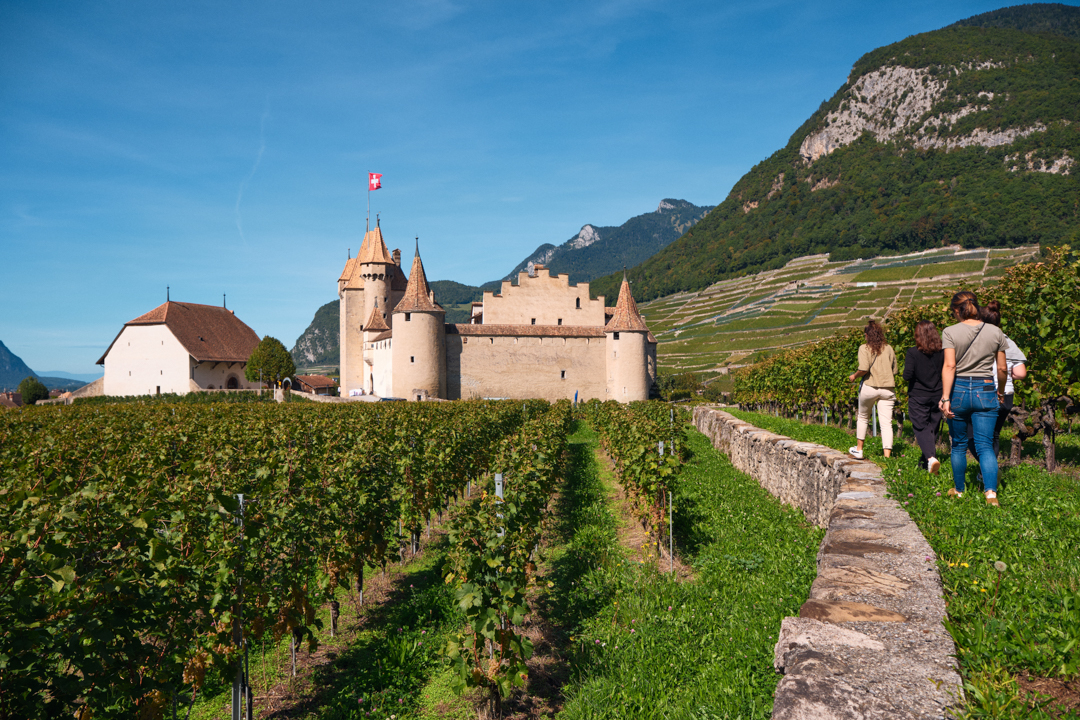
The streets of the charming medieval village of Aigle are the setting for one of spring’s most beautiful spectacles: the blossoming of the trees. Cherry trees and magnolias bring colour to the landscape with their abundant pink and white blossoms. Magnolias generally bloom between March and June, but their flowers are delicate and may fall early in the season. As for the cherry tree, it is adorned with blossoms between late March and late April, but the flowering is fleeting and lasts only about ten days.
Whilst you can simply stroll at your own pace amongst the trees scattered between the castle and the station, there are also themed walks, such as the Remarkable Trees walk, which take you on a journey of discovery through Aigle’s many deciduous and coniferous trees.
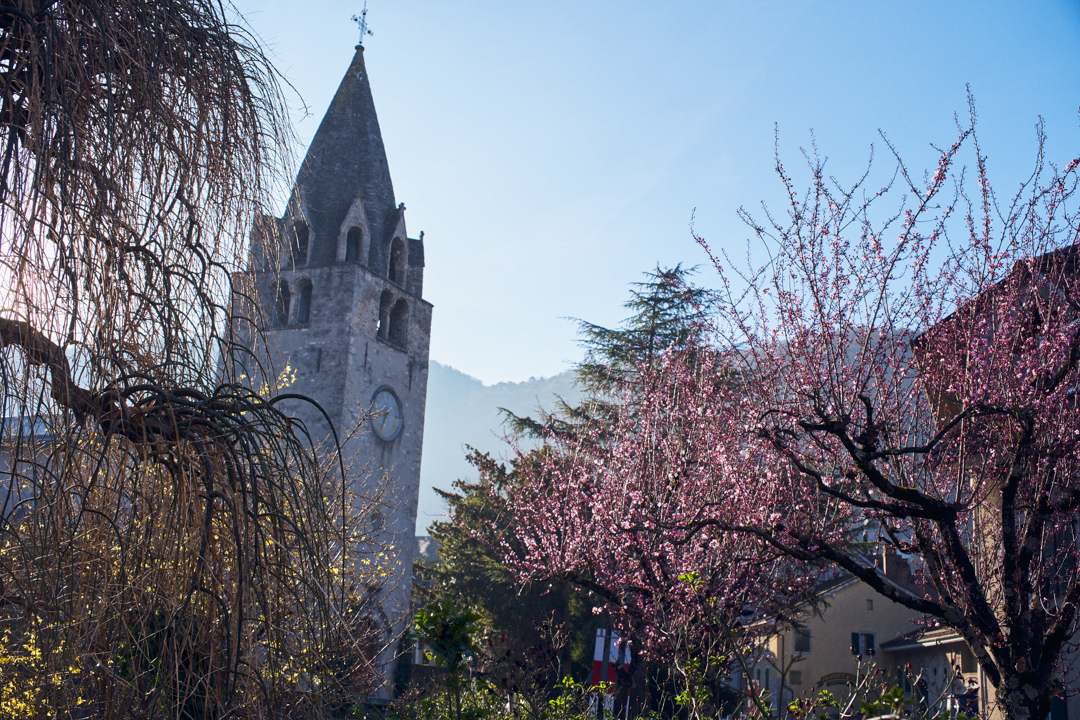
The Cloître district and its cherry trees © Marcellin Piguet
To the rhythm of bunches of daffodils at the Col des Mosses
In the Ormonts Valley, the forests are beginning to show patches of yellow and green, a sign that the deciduous trees are regaining their foliage. The fields are accessible once more and the grass is turning green again: from time to time, you can spot chamois grazing peacefully.
On the ground, the deep green is dotted with patches of yellow: daffodils bloom in clusters from February to April, heralding the end of winter. As well as their vibrant colour, they give off a sweet fragrance for two to three weeks. You can find them along the Sépey Historic Bridges Trail, or on the Tour de la Golette.
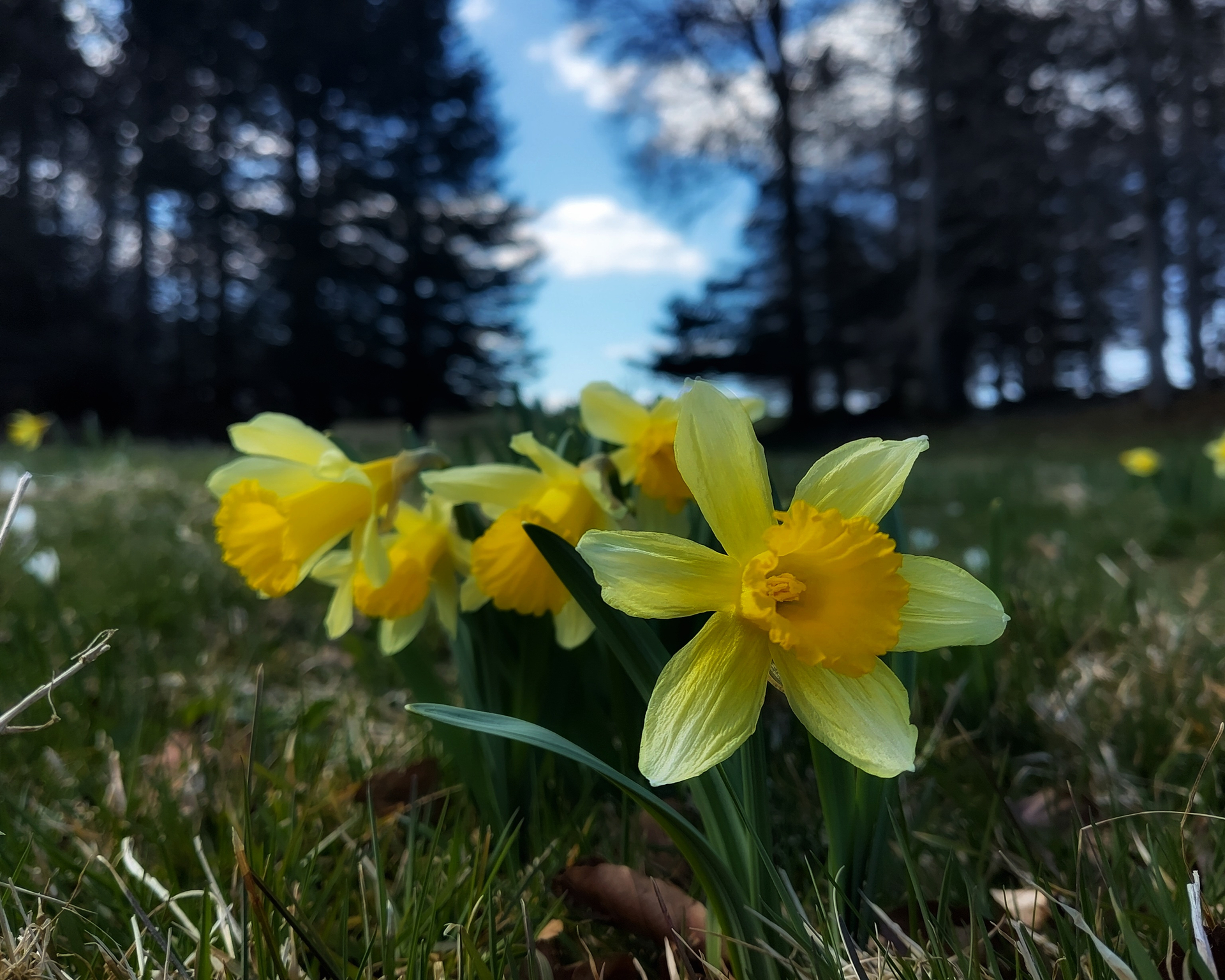
The daffodil, a symbol of renewal © Laetitia - Alpes Vaudoises
Spotting primroses between Bex and Gryon
Spring arrives more slowly at higher altitudes, where the snow still leaves behind many patches of snowdrifts and the ground can still be prone to frost. At this time of year, the fruit trees are in bloom, and the fields are filling with the first flowers. Amidst the crocuses, daffodils, dandelions and traditional daisies, colourful primroses are blooming. Even if you don’t recognise them, you’ve surely come across them before! From February to May, these perennials add splashes of yellow, pink, purple or white to the landscape.
The Villars–Gryon–Les Diablerets ski area is now closed, but machinery is still operating at higher altitudes to ensure the upkeep and maintenance of the facilities. Whilst it is therefore advisable to stay in the villages and their immediate surroundings, there are nevertheless numerous trails linking Bex and Gryon. Whether in the village of Gryon, the Avançon Gorges, the woods of Fenalet, along the Balcon des Vignes or the Tour du Montet, an endless variety of landscapes allow you to admire the spring blossoms in all their diversity.
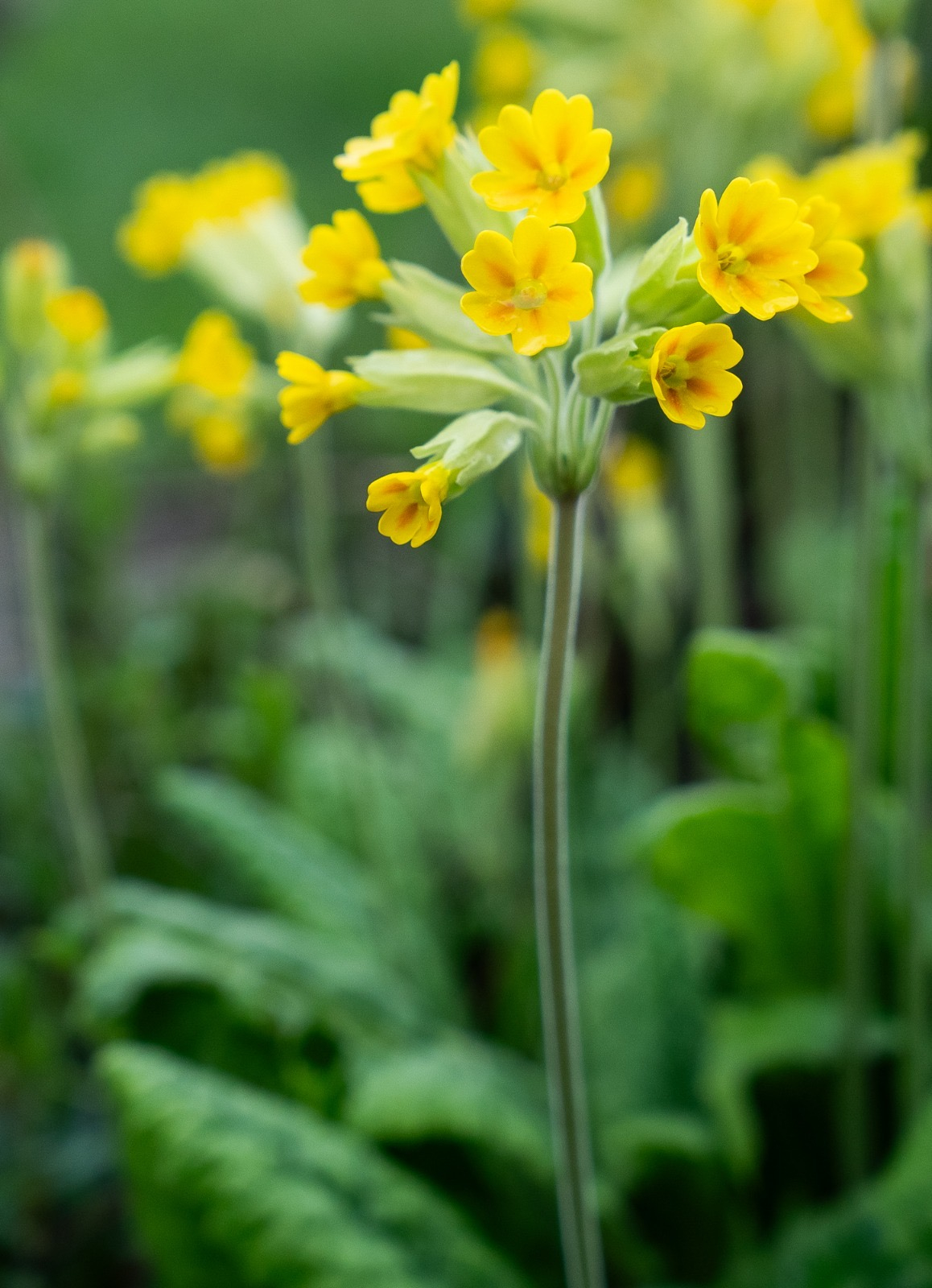
The primrose, also known as "coucou" in some French-speaking regions © Marianne Rickli
Admire the crocuses at Les Diablerets
As soon as the patches of snow begin to melt, the mountain pastures come to life once more, offering an annual spectacle of white and purple provided by the blooming crocuses. These delicate little flowers dot the ground by the hundreds, with the earliest appearing as early as March and sometimes lasting until May, in a colourful display that never fails to delight us year after year.
For an outdoor outing in the valley, following the course of the Grande Eau, the route that winds its way between the village of Les Diablerets and the hamlet of La Sernanty offers an easy, circular walk with no particular difficulties, passing through numerous grassy areas carpeted with crocuses. And higher up, far on the plateaus which may still be covered in snow late in the season, there is a well-known area in Les Diablerets: the Isenau plateau. As soon as the paths are accessible again, don’t miss the chance to climb up there and admire the vast fields of crocuses.
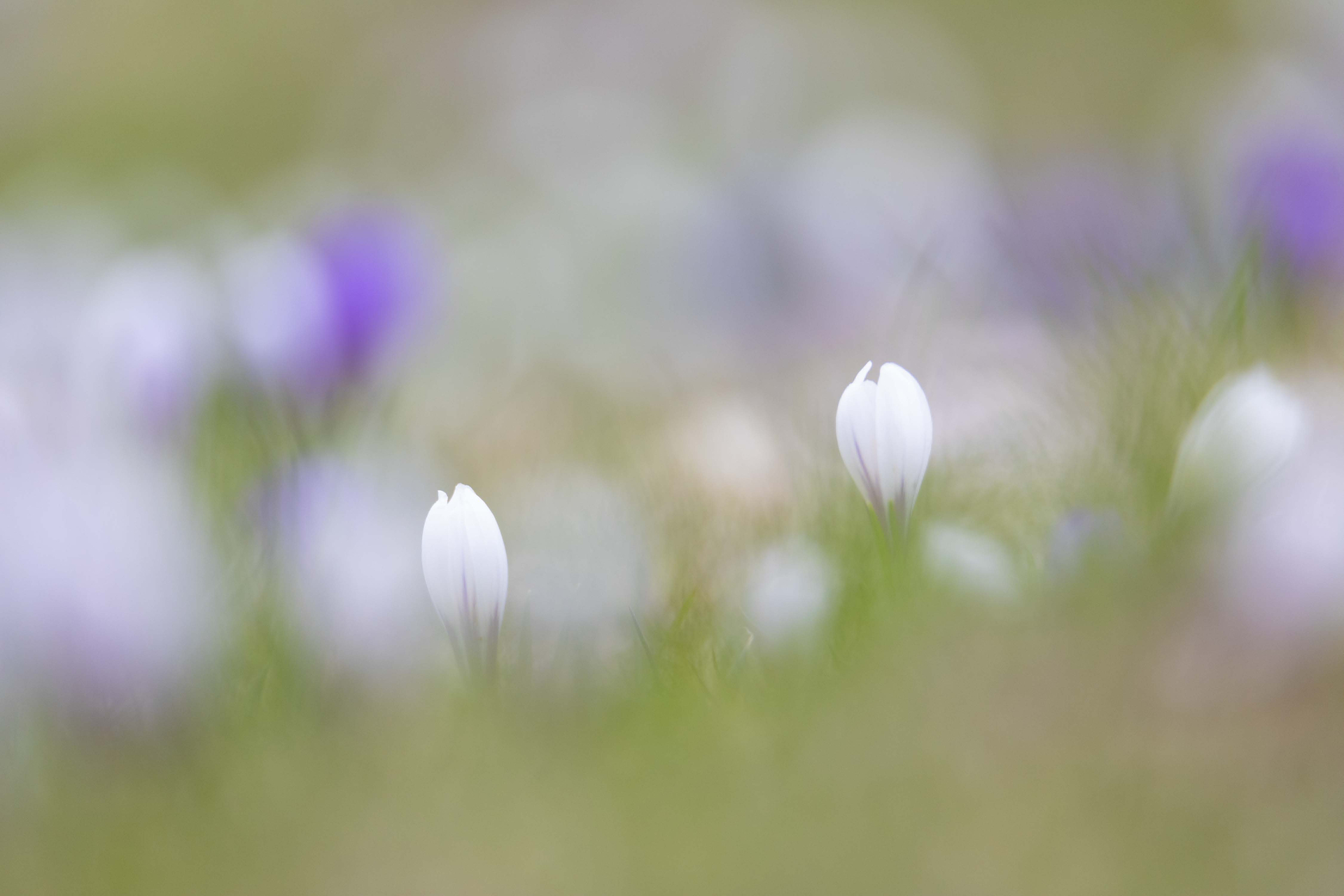
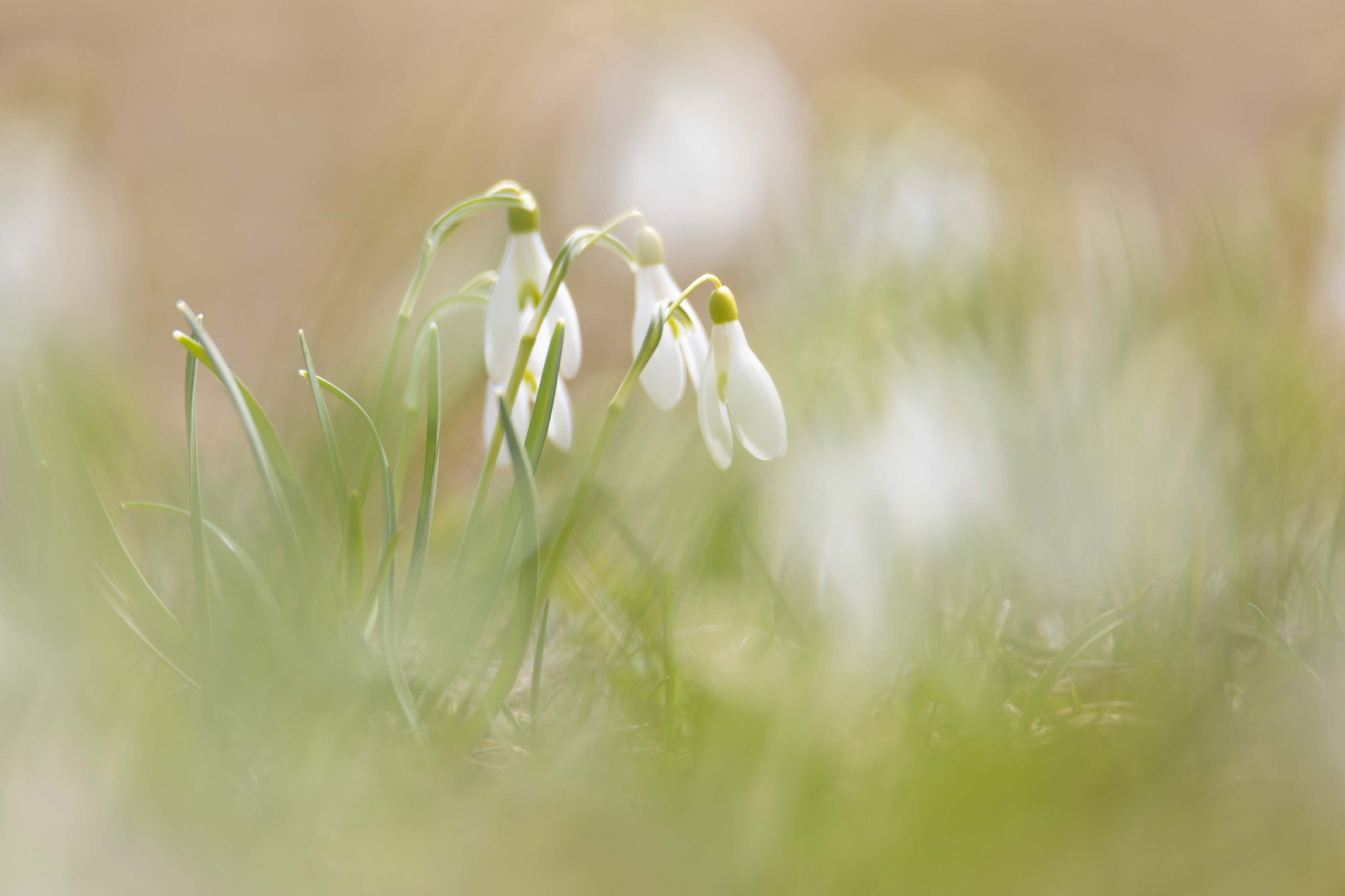
The crocus differs from the snowdrop in that it comes in shades of purple, white or yellow, whereas the snowdrop remains a pristine white © Camille Hue
Watching anemones in Leysin
In the hills, in fields and forests alike, and despite flowering later due to the altitude, many species of anemone bloom from March to May. These perennials come in various shapes and a wide range of colours, depending on the species. The wood anemone, a wild variety with beautiful white petals surrounding a yellow centre, can form large, dense carpets of flowers.
For those looking for an easy walk, the route past the rock and the hamlet of Veyges even offers the chance to stop and take in the view of Leman Lake and the Rhône plain. A longer and more challenging option, the climb to Les Fers runs alongside the Tours d’Aï and Famelon nature reserve, which protects a rich heritage of flora and vegetation. Finally, those who wish to stay in the village can also enjoy the ‘Tour des animaux’ to observe the local wildlife as well as the region’s typical flowers.
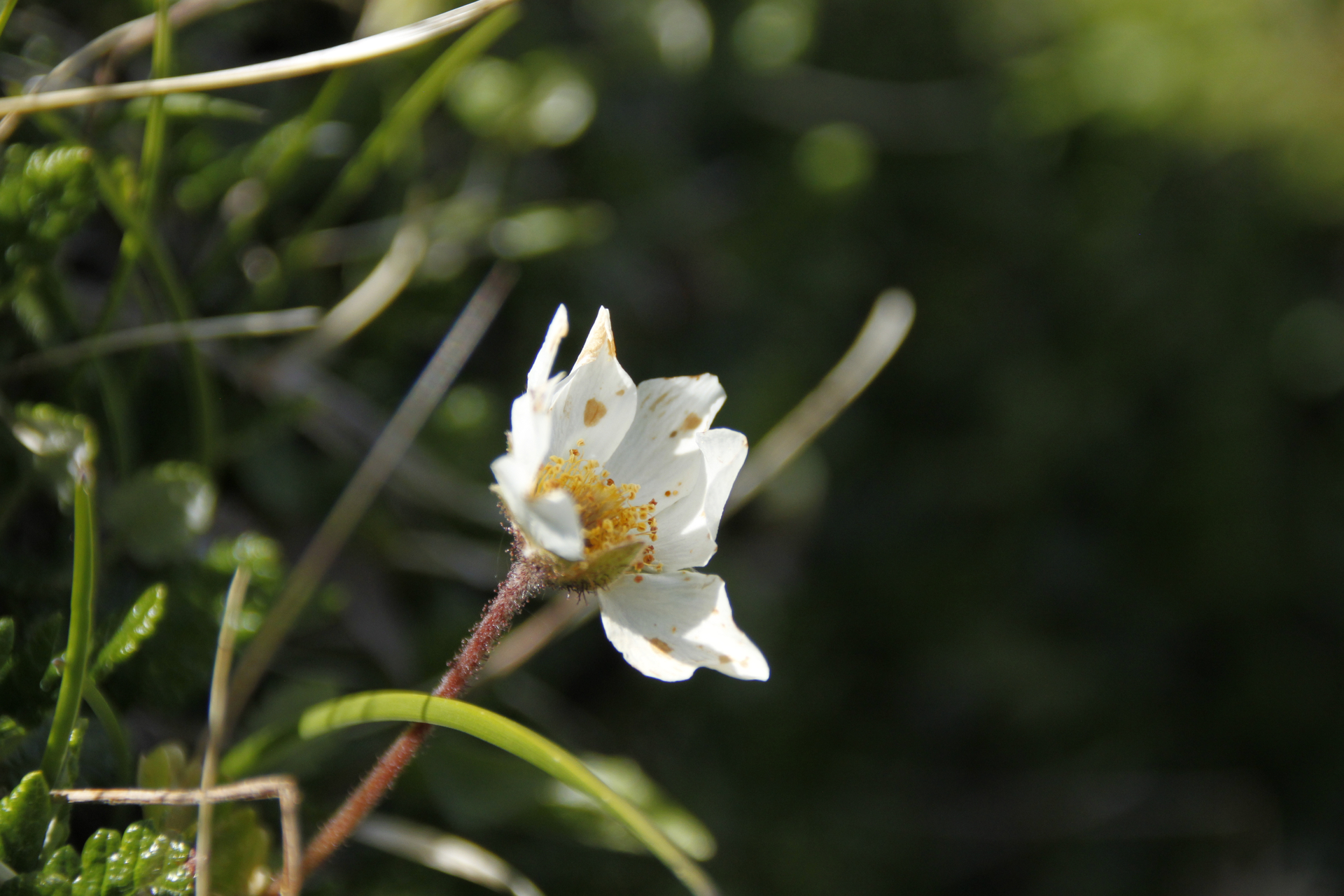
Although they appear fragile, anemones close up at the slightest sign of rain or wind, as if to protect themselves from the vagaries of spring © Camille Hue
More articles

This spring, the Clean-Up Tour returns to the Alpes Vaudoises
A concrete and participatory initiative to clean up the mountains and raise awareness about environmental protection
arrow_forward
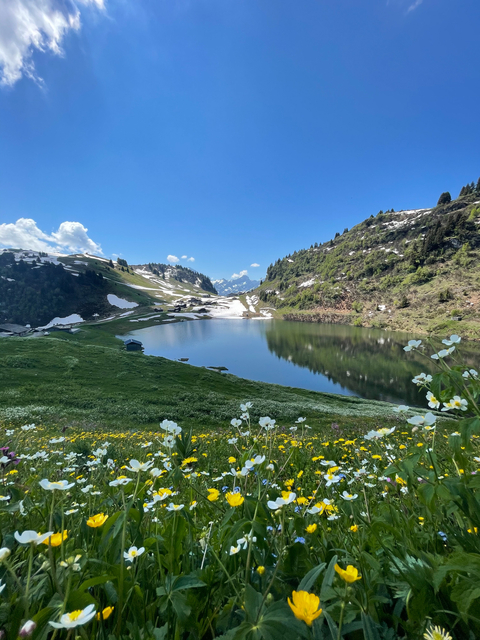
Spring weekend in Villars & Ollon: our top 10 accessible activities
Our top 10 activities truly available in Villars and Ollon in April and May
arrow_forward
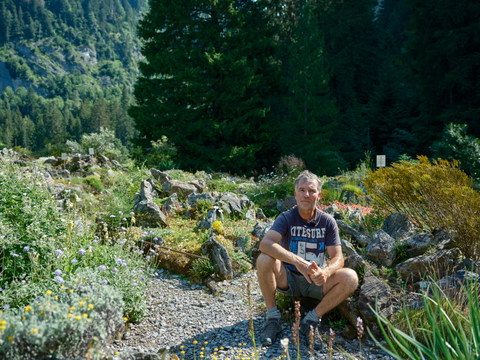
Gardener-botanist at La Thomasia
Meeting with a guardian of the alpine flora
arrow_forward