



Travel diary
Did you know? Cowbells were the GPS of the 19th century
Published on 02.07.2026
The mountains’ perfect pitch
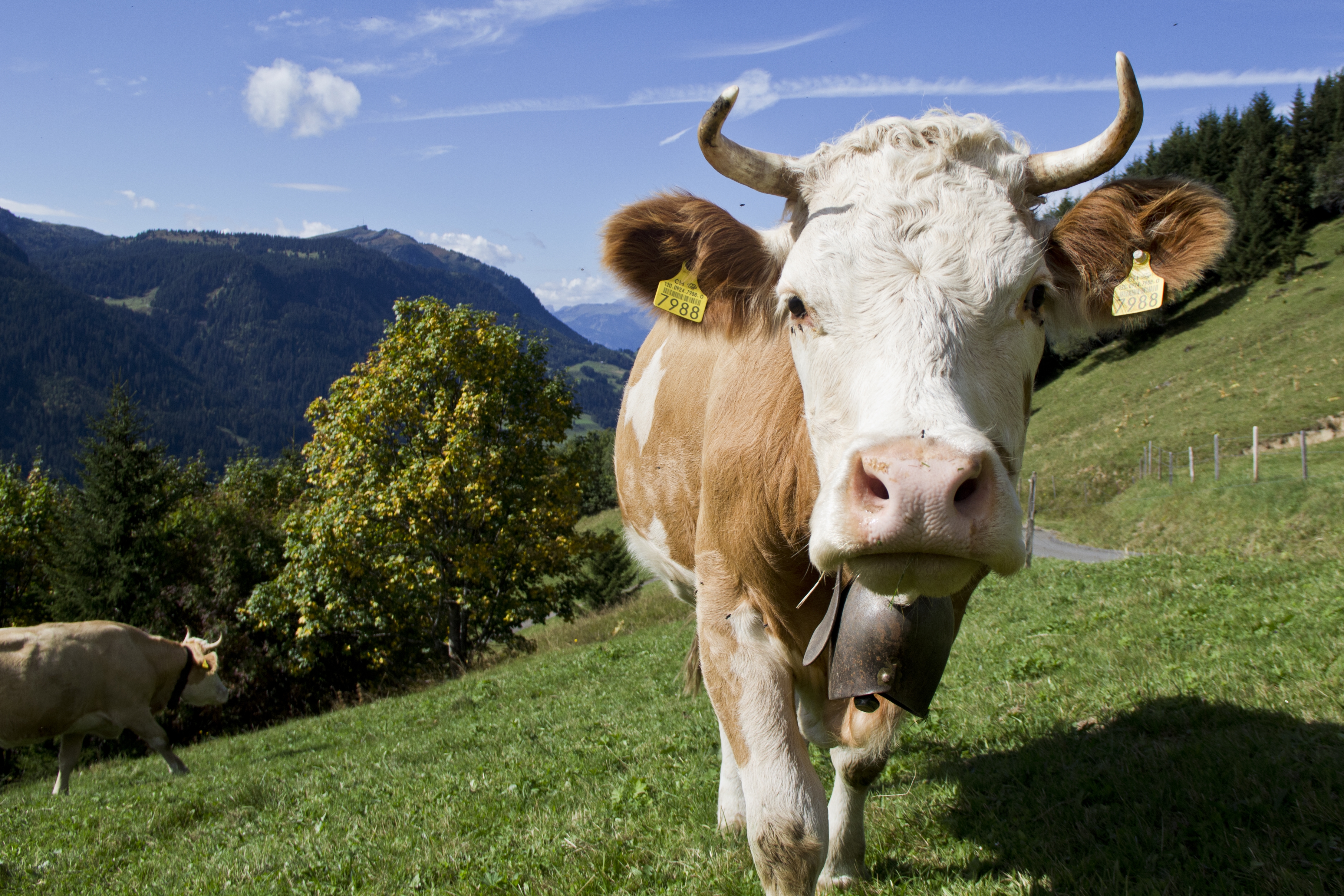
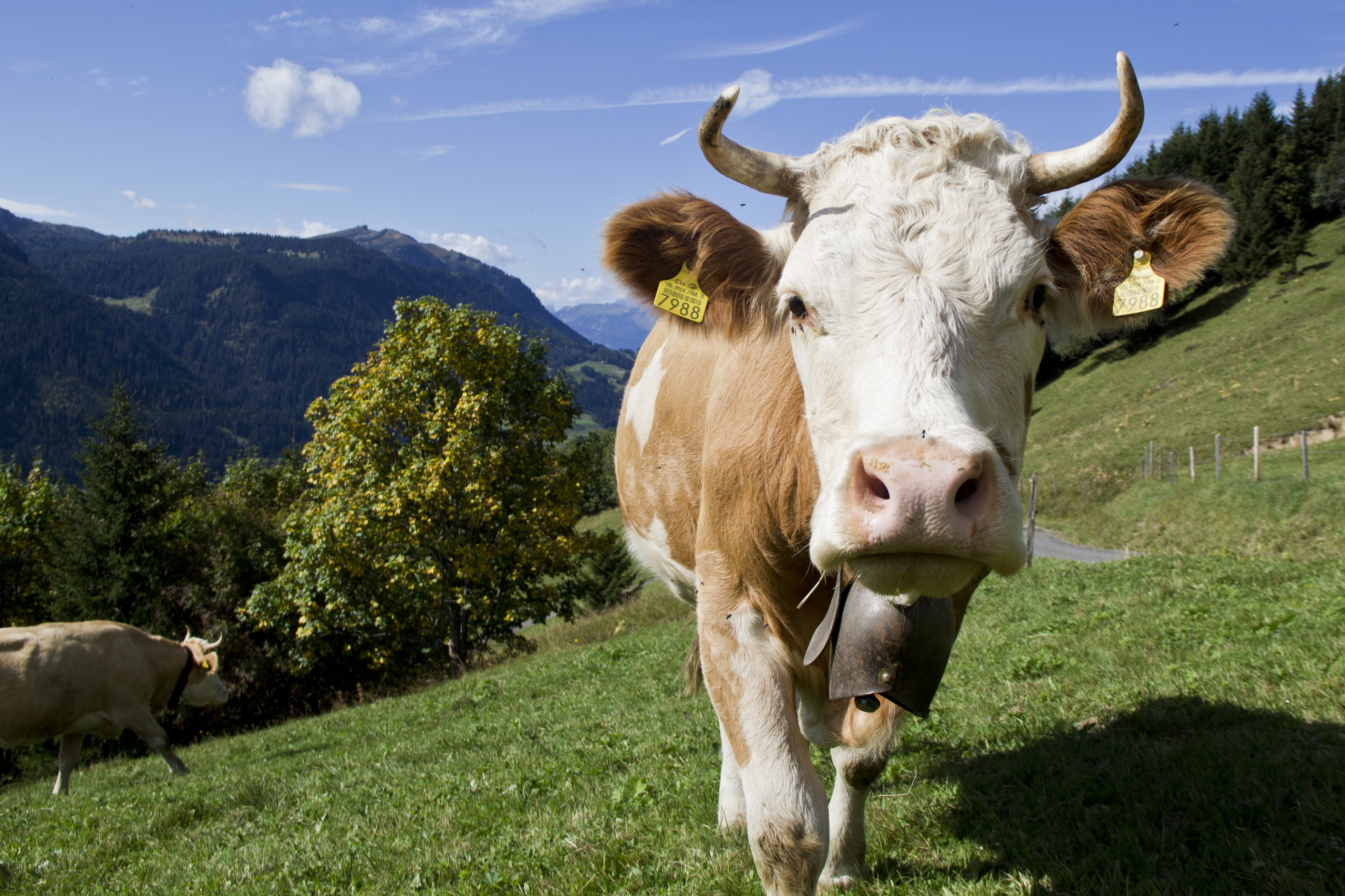
Long before GPS collars and microchips, the herdsmen of the Alpes Vaudoises used to locate their herds… by ear, thanks to the sound of the bells. In the fog or from behind a ridge, the tinkling of the bells enabled them to pinpoint the animals and gauge the distance between them. Each cow wore a bell whose sound differed slightly depending on its size, shape or tuning. The herdsmen knew these sounds inside out and could identify certain animals without even seeing them.
An audio compass with many uses
In the vast high-altitude pastures, where herds were sometimes scattered or hidden, the tinkling of the bells made it possible to locate the animals, check that they were moving, and quickly spot any straying animals.
favorite
Female conductors
The largest bells were often worn by the lead cows in the herd. By following the sound of these bells, the other cows stayed together and the herdsmen knew where the whole herd was.
According to the elders, the sound of the bells also served to scare off wolves and bears on the hunt for prey. And according to certain beliefs, they also kept away snakes, storms and bad luck.
And what about today?
Nowadays, the bells serve more of a traditional, folkloric or decorative purpose during the descent from the mountain pastures. Large forged steel bells are known as ‘toupin’ in the Vaud Alps. They are known by other names depending on the canton: ‘sonnette’ in Valais, ‘potet’ in Neuchâtel and ‘sonnailles’ in Fribourg. They are also part of family heritage and are passed down from generation to generation.
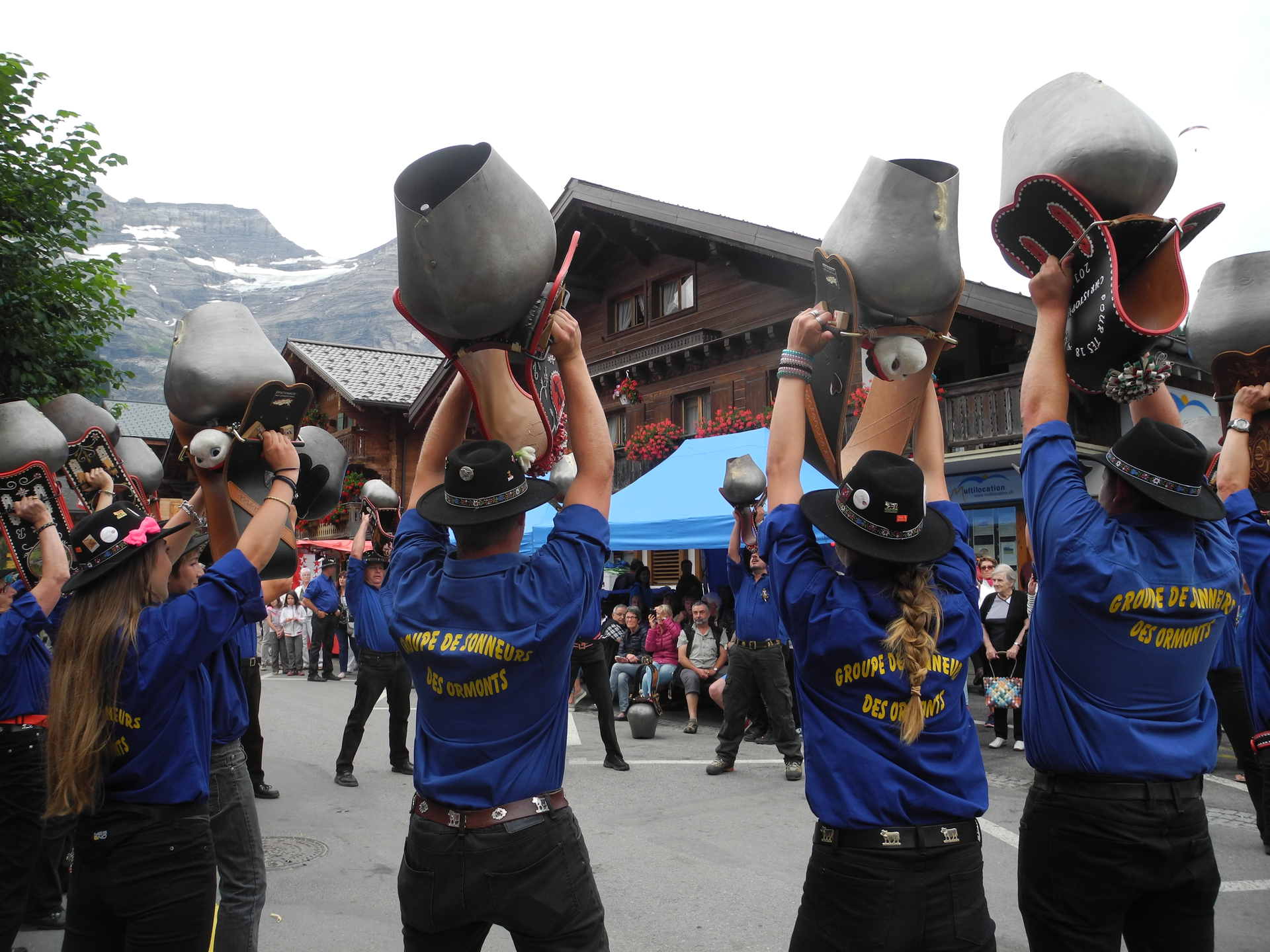
A different tune? The Diablerets bell-ringers’ group sets the tone for traditional events.